
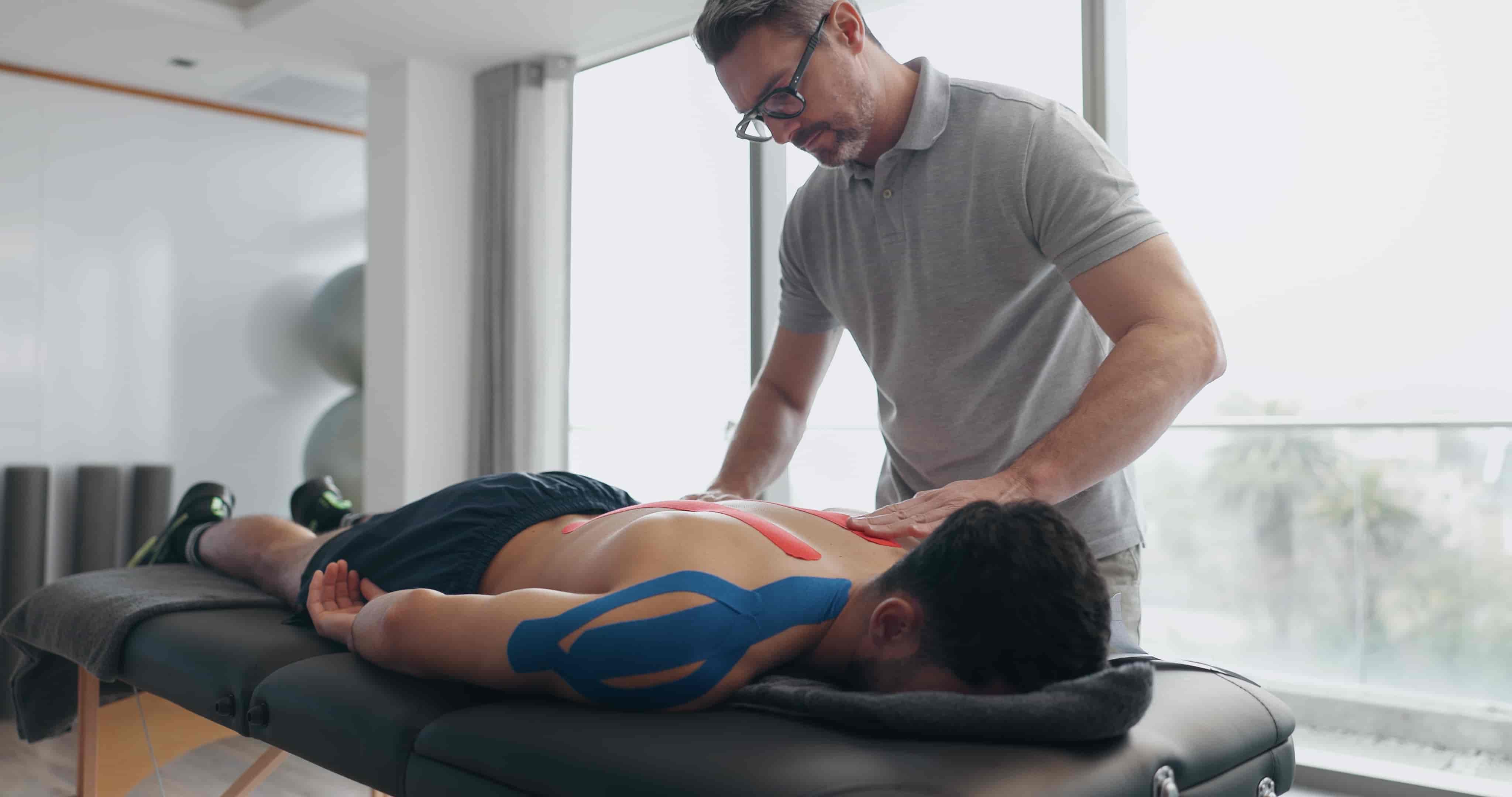
Is your back pain making you afraid to move? You are not alone. 80% of adults will experience it at some point. But when your doctor suggests "Physical Therapy," a new anxiety sets in. Will it hurt? Will they make me do burpees? Will I be hooked up to weird machines?
Fear of the unknown keeps many patients from booking that first appointment. But modern physical therapy isn't a boot camp but a forensic investigation into why you feel that terrifying pain. Here is a step-by-step breakdown of what really happens during a back pain evaluation, so you can walk in with confidence.
Your first visit is the "Evaluation." You likely won't do much lower back pain exercises on day one. Instead, the therapist acts as a detective.
The History: They won't just ask "Where does it hurt?" They will ask "When does it hurt?" Does it hurt when you put on socks? When you sit in the car? This clues them into whether the issue is a disc (flexion) or a joint (extension).
The Movement Screen: They will ask you to bend forward, backward, and twist. They aren't judging your flexibility; they are looking for the "hinge point" where your spine isn't moving correctly.
The Neurological Screen: If you have sciatica (pain down the leg), they will test your reflexes and skin sensation to see if a nerve is pinched.
A common misconception is that PT has to be agonizing to work. However, the physical therapy philosophy has shifted to "Symptom Modification." If a movement hurts, we don't push through it; we change it.
The Goal: The therapist wants to find the "Directional Preference." This is a specific movement (like pressing up while lying on your stomach) that magically turns the pain volume down. Once they find this, they send you home with that single movement as your "rescue medication."
Your sessions will likely be a mix of two categories:
Manual Therapy: The therapist uses their hands to mobilize stiff joints or massage tight muscles.
Dry Needling: A popular 2026 treatment where thin needles are inserted into "trigger points" to release deep muscle knots instantly.
E-Stim/Heat: Used to calm the nervous system before or after work.
This is where long-term healing happens. You will learn to engage your "deep core" (transverse abdominis), not with crunches, but with subtle stabilization drills like "Dead Bugs" or "Bird Dogs."
This is the million-dollar question. While every back is different, a standard "Plan of Care" follows a pattern:
Weeks 1-2 (Calm Down): The goal is purely pain reduction. You might go 2x a week.
Weeks 3-5 (Build Up): Pain is lower, so intensity increases. You start lifting weights or doing squats to teach the back to handle load.
Weeks 6-8 (Lifestyle Integration): You simulate real-life tasks—lifting a laundry basket or swinging a golf club—to ensure the pain doesn't return.
You will leave with an "HEP" (Home Exercise Program)—usually an app on your phone with videos.
The Reality Check: You spend 2 hours a week in the clinic and 166 hours outside of it. If you don't do the homework, the therapy won't work. The patients who recover the fastest are the ones who do their 10 minutes of "rescue exercises" every morning.
Physical Therapy for back pain isn't about being "cracked" or tortured. It is about education. It is learning that your back is strong, not fragile and practicing lower back pain exercises will only make it stronger. By the end of your sessions, you won't just have less pain but a user manual for your own spine, knowing exactly how to fix yourself if it ever flares up again.